
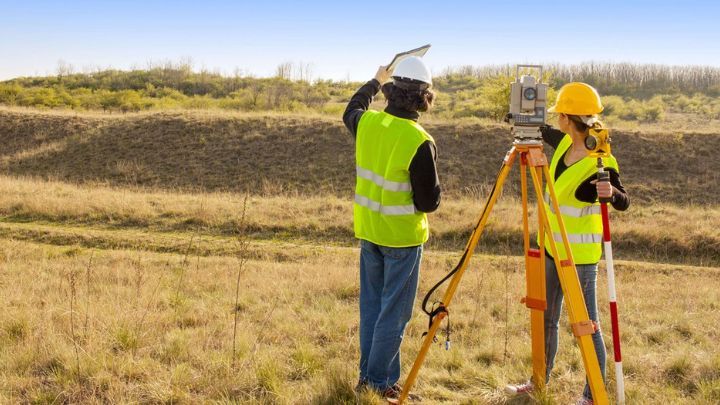
Choosing a building design and employing contractors are just two aspects of developing a property. Each plot of land has physical attributes, legal limits, and possible limitations that may affect what can be constructed on it. Ignoring these aspects might lead to unforeseen costs, delays in development, or conflicts with nearby property owners. The precise measurements and crucial property data required to make wise development choices are provided by qualified land surveyors.
Whether one intends to build a new house, enlarge an existing structure, or develop commercial property, surveying aids in laying a solid foundation for the project as a whole.
Recognising Property Boundaries Prior To Development
Determining the precise borders of the land is one of the first things to take into account while developing a property. When determining the boundaries of their property, property owners can depend on historical papers, landscaping, or fences. These allusions may not, however, appropriately reflect limitations that have been established by law.
To determine border locations, land surveyors look at historical surveys, property records, and tangible evidence. Their research aids landowners in comprehending the available area and preventing unintentional construction on nearby property.
Planning expansions, garages, fences, or other constructions close to property boundaries requires precise boundary information.
Finding Land Features That Impact Building
Not all properties are appropriate for the same kind of development. Construction needs might be affected by variations in elevation, slopes, natural drainage patterns, and existing buildings.
To record these physical attributes, topographic surveys are carried out by qualified surveyors. Architects, engineers, and contractors may create designs that accurately depict site conditions thanks to the information gathered.
For instance, extra grading or specific foundation designs would be needed for a site with substantial elevation fluctuations. Early detection of such issues enables owners to assess building options before making significant resource commitments.
Encouraging Improved Site Design And Planning
Careful coordination between available land, building location, access routes, and surrounding infrastructure is necessary for successful property development.
Designers may choose the best sites for buildings, roadways, parking lots, and other improvements with the aid of land surveyors’ precise site measurements.
Skilled city surveyors may also help with surveying needs related to urban development, where existing infrastructure, adjacent buildings, and space constraints can provide extra planning difficulties.
Property owners may make sensible design decisions and lower the possibility of expensive construction changes with correct site information.
Assisting Property Owners In Comprehending Development Limitations
Owning property does not guarantee unrestricted development of all the land. Proposed construction may be impacted by rights-of-way, setback restrictions, easements, and municipal development laws.
Surveyors assist in locating pertinent documented and physical property characteristics that may affect the location of buildings. Discussions with planning authorities and other skilled experts may benefit from their efforts.
For example, the location of permanent constructions may be restricted by an existing utility easement. Owners may modify their development plans before construction starts by identifying such constraints during the planning phase.
Lowering Unexpected Costs And Financial Risks
Development budgets might be greatly impacted by unforeseen property circumstances. Poorly designed construction plans, inaccurate measurements, and boundary disputes may need costly adjustments.
By providing trustworthy information prior to significant financial commitments, land surveying helps lower these risks.
Property owners may also examine various development possibilities with the aid of a thorough survey. They may assess the available space, prospective site preparation needs, and potential design constraints rather than making judgements based on conjecture.
This strategy encourages more sensible budgeting and more effective use of building materials.
Enhancing Collaboration Among Development Experts
Architects, engineers, builders, planners, and local government officials are often involved in property development. For each expert to carry out their duties efficiently, correct information is essential.
Throughout the planning and construction phases, surveyors provide accurate site measurements that various project partners may use.
To record current circumstances and enable precise construction plans for intricate urban projects, city surveyors may collaborate with other professionals.
Regular information surveys enhance collaboration, reduce miscommunication, and assist development teams in resolving any problems before they impede advancement.
Conclusion
Understanding the land itself is the first step towards confident property development. Expert land surveyors assist landowners in defining borders, evaluating physical conditions, identifying possible constraints, and more efficiently planning projects.
Property owners may reduce uncertainty, control financial risks, and make choices based on trustworthy information by investing in precise surveying prior to construction. The basis for successful residential and commercial development projects is strengthened by this planning.