
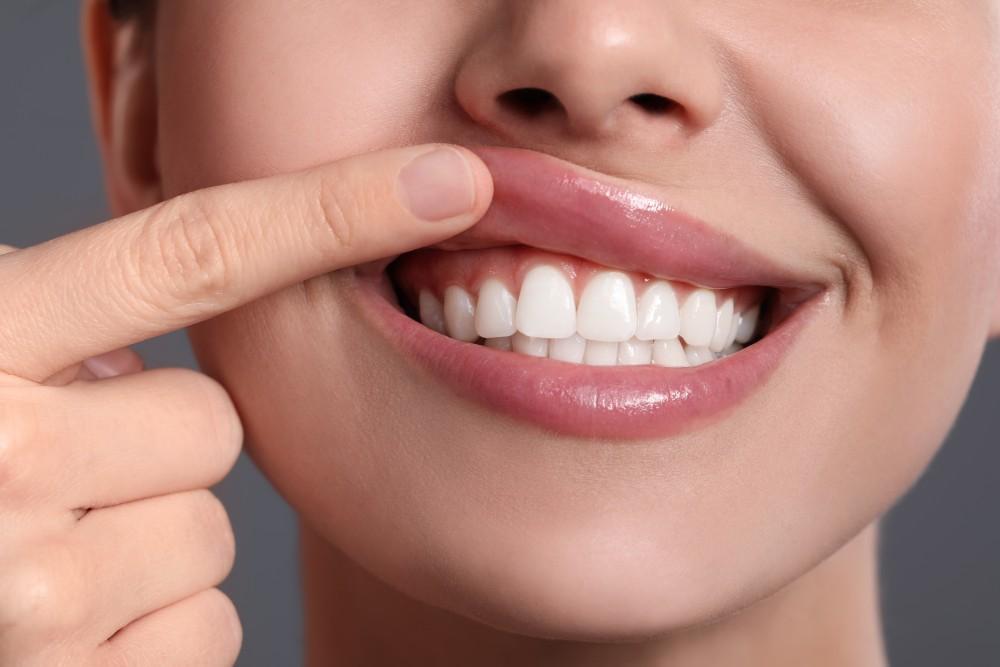
For healthy teeth and gums, you have to do more than merely treat pain or discomfort when it arises. The aim of a preventive strategy is to prevent dental issues, detect modest changes early, and maintain long-term behaviours that are healthy for your oral health. This may help patients maintain their natural teeth longer and avoid painful surgeries.
Your teeth’s condition might alter over time, and many disorders begin without any obvious indicators. Regular professional care and healthy practices at home may help you catch issues before they begin to compromise your comfort, appearance, or everyday life.
Prevention Begins With Everyday Habits
Brushing and flossing your teeth every day is an important element of preventative dental care. You may eliminate plaque from the sides of your teeth by brushing twice a day. Flossing pulls plaque out from areas your toothbrush can’t reach. You may prevent the bacteria that cause cavities and gum troubles from multiplying simply by doing these actions.
Technique is crucial as well. Brushing with too much pressure may damage your gums and wear away your enamel over time. In general, a soft touch and a meticulous cleaning of all the surfaces of the teeth are preferable to rapid or forceful brushing.
A dentist located in Burwood is a wonderful option for anybody who wants expert assistance on how to enhance their routine. Depending on your requirements, a dentist might point out typically missing regions and recommend adjustments that will improve the health of your mouth.
Paying Attention To Changes In The Gums
Gums have a very vital role in supporting teeth; however, they are generally disregarded until you start to feel discomfort. If you see changes in the gums, such as redness, swelling, soreness or blood that doesn’t go away when you brush, they may require extra treatment.
If you have gum issues in the beginning, they may not hurt too much. This is why any changes in vision and bleeding are so crucial to watch out for. Immediate attention to these symptoms may help prevent the inflammation from advancing and harming the supporting tissues of the teeth.
You have to clean along the gumline and in between your teeth to keep your gums healthy. Professional cleaning may also remove stubborn residues that you normally cannot remove by brushing alone.
Regular Dental Visits Can Reveal Hidden Concerns
You cannot always detect tooth issues at home. Initial symptoms may include small cavities, early gum changes, worn dental fillings, and other bite-related problems that are not immediately apparent. These may be examined at routine dental checkups, before they become more of a problem.
Seeing the dentist in Burwood regularly for checks also gives you the opportunity to discuss changes such as tooth sensitivity, discomfort that comes back, tightness in your jaw or changes in the way your teeth appear.
Different folks may have to go to the dentist at different times. If you’ve had gum issues in the past, a lot of cavities, or substantial dental treatment, you may require a different approach than someone whose teeth and gums are consistently healthy.
Diet Has A Continuing Influence On Teeth
What you eat and drink during the day affects the health of your mouth all day long. The more sugary meals and beverages you consume, the higher the likelihood that oral bacteria may generate acids that can harm enamel.
Frequency is just as significant as the number of times. If you drink sweet drinks or snack throughout the day, your teeth may be exposed to acid attacks again and again. The continual exposure may be reduced by drinking water and providing ample time between meals.
Eating or drinking a lot of acidic foods and drinks may also erode your enamel. For this reason, a healthy, balanced diet may be a major element of a preventive dental care approach.
Do Not Wait For Dental Pain
A lot of people see pain as the primary reason to go to the dentist, yet utilising pain as a warning mechanism frequently makes issues worse when they don’t have to. Decay of teeth, illness of the gums, and fractured fillings or crowns may persist for some time before they cause a lot of discomfort.
You should also notice subtle modifications. You may want to visit a dentist if you have more sensitivity, bad breath that doesn’t go away, food becoming caught between your teeth a lot, or a little hard place on a tooth.
Speaking to a Burwood dentist about changes that don’t feel right might help you work out whether the condition just needs to be monitored or if treatment should be considered.
Protecting Teeth From Everyday Wear
Teeth are under a lot of stress throughout a lifetime. Some behaviours like biting their teeth, eating and playing sports might affect their health slowly.
If you grind or clench your teeth, you can notice the edges are worn away, experience discomfort in the morning or find your teeth to be more sensitive. Catching these patterns early might help you avoid overdoing them. Likewise, those who conduct activities where dental mishaps may occur should want to take the necessary safety measures.
Also, don’t use your teeth to open packages or to bite down hard on objects that are not food. Enamel is tough, yet repeated pressure might cause it to fracture and shatter.
Making Dental Care A Long-Term Priority
In the end, good oral health isn’t about complicated regimens but regularity. If you wash your teeth carefully, clean between your teeth, eat appropriately, and notice any little changes in your mouth, your teeth and gums may be healthier.
These everyday routines are, of course, accompanied by professional care, which might identify issues that you would miss otherwise. Building a long-term connection with a Burwood dentist makes it easy to track your oral health throughout the years and know what to do when things change.
It is a continuous responsibility to take care of your teeth and gums. Prevention is the best medicine, and waiting for issues to hurt will only get in the way of making good choices that will help you remain comfortable, operate well and have a healthy smile for many years to come.